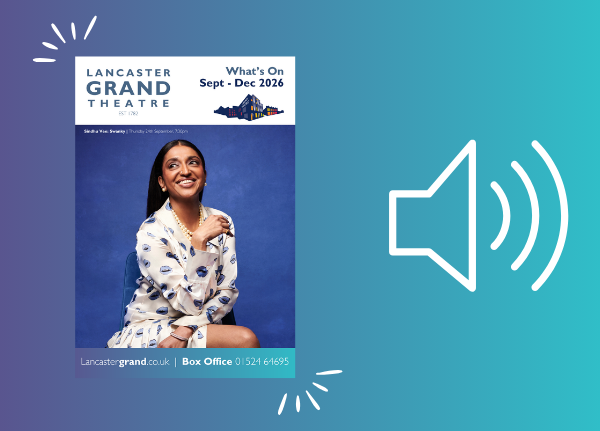

A Major Part of Lancaster Culture Since 1782
History
Explore the Fascinating History of Lancaster Grand Theatre
For those eager to dive deeper into the rich history of the Lancaster Grand Theatre, we offer monthly public tours led by our incredibly knowledgeable volunteer tour guides. These tours provide a unique glimpse into the theatre’s past, from its early days in 1782 to its current status as a cultural hub.
More information about tour dates and times can be found by visiting our show list here.

Lancaster Grand Theatre Historical Timeline:
1782: Joseph Austin and Charles Whitlock open the Lancaster Grand Theatre, originally called "The Theatre". It becomes part of the Northern Circuit, the only surviving venue.
1803: The theatre is renamed "The Theatre Royal" following a visit from Richard, Duke of Gloucester.
1839: The local temperance movement acquires the theatre and offers “wholesome entertainment” along with lectures on the dangers of alcohol.
1849: Architect and Mayor of Lancaster, Edmund Sharpe, buys the theatre, renaming it "The Music Hall" to reflect its focus on classical music.
1860: Ownership passes to the Athenaeum club, who use the theatre as a lecture hall and museum, renaming it "The Athenaeum".
1869: Lancaster Amateur Club stages the first amateur production at the theatre.
1882: The theatre is closed due to dilapidation after the Athenaeum company neglects maintenance.
1884: Henry Wilkinson purchases and repairs the theatre, with Gilbert & Sullivan’s D'Oyly Carte performing among the first acts. A film show is held in 1896, just a year after the Lumière brothers' first motion pictures.
1897: Architect Frank Matcham designs a new stage and adds a fly tower for grander scenery.
1908: The theatre is ravaged by fire on February 1st, following a matinee performance of Babes in the Wood. On September 14th, it reopens after a remodel by architect Albert Winstanley, with a gala performance of Raffles, the Gentleman Thief. Henry Wilkinson renames it "The Grand".
1931: A projection box is added to transform the theatre into a cinema. Lancaster Footlights begins hiring the space for performances.
1951: The ABC Cinema company sells the theatre to Lancaster Footlights for £7,000.
1959: Lancaster City Council serves a compulsory purchase order for a relief road, but Footlights successfully resists and the order is cancelled in 1960.
1972: Footlights becomes a registered charity, raising £667,000 to restore and improve the theatre.
1974: The theatre is granted Grade II listed status.
1982: A gala performance of School for Scandal celebrates the theatre’s bicentenary, attended by HRH Princess Alexandra.
- 2021: Major restoration works were completed on the façade of the Lancaster Grand Theatre, including new signage, updated lighting, and beautiful improvements to the exterior. These works were carried out in partnership with Hpa Chartered Architects, with design advice and grant funding support from the Lancaster High Streets Heritage Action Zone. The project was funded by Historic England and Lancaster City Council.
Today: Lancaster Grand Theatre continues as a vital venue for amateur and professional performances in drama, music, and dance.
The full history of Lancaster Grand Theatre can be explored in the book The Grand Theatre Lancaster: Into the Third Century by A.G. Betjemann. Available for purchase online here or at the Box Office: 01524 64695.

Famous Faces in Our History:


Sarah Siddons: Foremost actress of the late 18th century, she performed multiple times at Lancaster Grand Theatre in roles such as Lady Macbeth and Hamlet. Her ghost is said to haunt the theatre.
Edmund Kean: Renowned Shakespearean actor, famous for his portrayal of Shylock in The Merchant of Venice in 1816
Joseph Grimaldi: The pioneering clown,comedian and actor performed at Lancaster Grand Theatre in 1818.
Ira Aldridge: Ira Frederick Aldridge was an American-born British actor, playwright, and theatre manager, known for his portrayal of Shakespearean characters. He played the title role in Oroonoko in 1827 at Lancaster Grand Theatre.


Niccolò Paganini: The virtuoso Italian violinist and composer, performed at Lancaster Grand Theatre in 1833.
Charles Hallé: Prussian and British pianist, conductor and founder of the Hallé Orchestra, performed at Lancaster Grand Theatre in 1853.
Charles Dickens: The famous English novelist, journalist, and social critic. The author read from A Christmas Carol and The Pickwick Papers at Lancaster Grand Theatre in 1861.
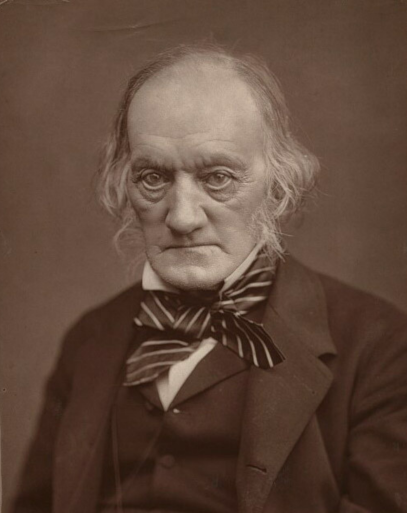
Sir Richard Owen: English biologist, comparative anatomist and paleontologist born in Lancaster in 1804. He was famous for coining the term dinosaur, presenting them as a distinct taxonomic group. He gave a lecture at Lancaster Grand Theatre in September 1849 on 'The Gigantic Birds of New Zealand'.
What's On

Josh Pugh: Ha Ha, Yeah Sound
Wednesday, September 30 at 7:30 pm
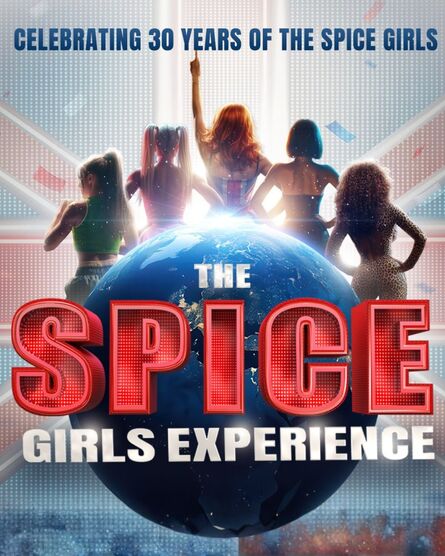
Spice Girls Experience
Thursday, October 1 at 7:30 pm
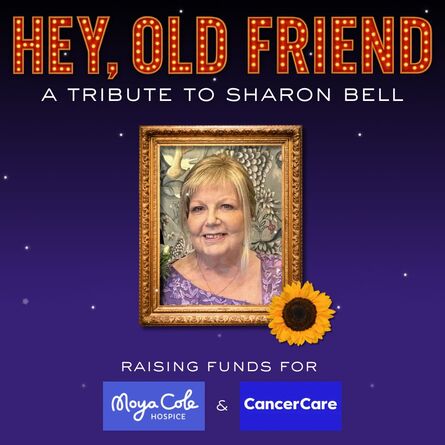
Hey, Old Friend: A Tribute to Sharon Bell
Saturday, October 3 at 7:30 pm
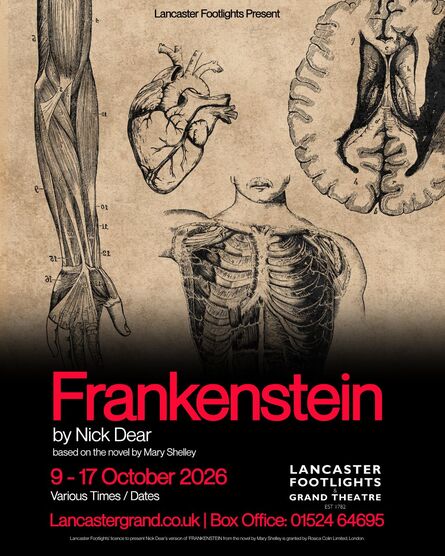
FRANKENSTEIN: Lancaster Footlights Present
Friday, October 9 at 7:30 pm
FRANKENSTEIN: Lancaster Footlights Present
Saturday, October 10 at 7:30 pm